Outcomes


Was the Bump2Baby and Me mHealth Coaching Programme intervention effective?

The Bump2Baby and Me mHealth Coaching Programme was tested as a randomised control trial to evaluate its effectiveness. This novel intervention targets women at risk of developing gestational diabetes, providing them with personalised, evidence-based, healthy eating and exercise information, both during pregnancy and for the first year after birth, via a smartphone app and real-life health coach. Women in both groups received Bluetooth scales at the start of the trial.

A total of 865 women, identified at risk of gestational diabetes via the Monash GDM Screening Tool, were recruited across four maternity hospitals in Ireland, the UK, Spain and Australia (Dublin, Bristol, Granada and Melbourne). Half were randomly assigned to receive the intervention and usual care (intervention group), and the other half were randomly assigned to receive usual care (control group).

Overall, the results of the trial suggested the Bump2Baby and Me mHealth Coaching Programme could provide potential benefits. The key trial findings were as follows:
 

BMI at 12 months postpartum (primary outcome)
Both the intervention and control groups achieved similar postpartum BMI outcomes, potentially influenced by the self-weighing component (Bluetooth scales).


Gestational diabetes diagnosis
The intervention resulted in a 30% relative risk reduction in gestational diabetes incidence. There were 20% of the control group diagnosed with gestational diabetes compared with 14% in the intervention group.

 

Dietary pattern changes
Meat ratio, trans fat intake and PUFA:SFA ratio improved in the intervention group.

 

Metabolic markers
Blood insulin, glucose and triglycerides levels improved, and HDL levels were more stable in the intervention group.


Breastfeeding
Rates of any breastfeeding at 6 weeks postpartum were higher in the intervention group, as was exclusive breastfeeding at 3 months.


Infant BMI
This was higher at 12 months in the intervention group.


Health literacy
The ability to actively engage with healthcare providers was maintained in the intervention group but decreased in the control group.


Regular self weighing may be a powerful tool

Both groups were given digital scales at the start of the trial and both groups returned to their pre-pregnancy weight. Women who weighed themselves regularly had significantly better weight outcomes at one year postpartum, regardless of which group they were in. Regular self-weighing could therefore be implemented at a population level as a valuable, low-cost intervention.

How well did the women engage with the intervention?

Women receiving the Bump2Baby and Me mHealth Coaching Programme were able to interact with their health coach via video calls, text and video messaging, where they received personalised support and encouragement to set goals.

The app was most commonly used as a means to communicate with health coach. However, participants also reported setting and recording goals, engaging with the information on the app, and the information shared by the coaches. Unfortunately, some women could not download the app, and this meant they were unable to take part. The app notifications were a feature that occasionally did not work for women, and this meant they did not know when their coach was trying to communicate with them.

Engagement with the health coaching was mixed. Most women had at least one to two live video calls with their health coach. Intervention engagement changed over time for some women, particularly in the busy postpartum period. Time constraints, health challenges, competing priorities and issues with app notifications were barriers cited to intervention engagement. Needing to build a relationship with a new coach resulted in disengagement for some women.

While support from the health coach encouraged regular intervention engagement, where there was several health coaching staff turnovers and delayed responses at one site, this disrupted the coaching relationship continuity and influenced engagement for some women. The group chat function had limited engagement.

How did women perceive the intervention?

Women who had received the intervention were interviewed by researchers at 12-months postpartum for their feedback. Most participants felt the Bump2Baby and Me mHealth Coaching Programme was acceptable to them. Feedback included:

Women receiving the intervention had varied perceptions about its purpose. Some understood themselves to have gestational diabetes risk and that the intervention was to reduce it. Others perceived that it was healthy lifestyle and wellbeing related for them and/or baby. Few thought it was weight or diet related. Importantly, many perceived it as being focused on what they wanted to achieve. This was possibly linked to the opportunity to focus on their own behavioural goals.

The coaching component was highly valued. The continuous relationship, personalised care and trust in the coaches’ advice were cited as reasons for acceptability. Women contrasted this with current maternity care, where a lack of continuity was described. Changes in the health coach or not being contacted by the coach led to dissatisfaction amongst women.

The app was seen as easy to use and navigate. Most women described being confident using the app and perceived themselves as being confident tech users, however they also highlighted that less IT literate women may find it more challenging. The chat function was less acceptable with several women feeling that meeting other participants online or in person first was needed to be able to engage with a group online. Women described not receiving notifications from the app or their health coach which was a negative experience of using the app.

Some women reported finding it difficult to engage with the programme due to personal circumstances. Women who had busy work lives or a difficult pregnancy found it hard to engage with antenatally, whereas others found it more difficult to engage with once their baby had arrived and they were adjusting to new parenthood’s challenges. Most perceived the programme to be helpful, describing a range of positive impacts on their behaviours, physical and mental health outcomes both during the pregnancy and longer-term.
 

Did the intervention facilitate any behaviour change?

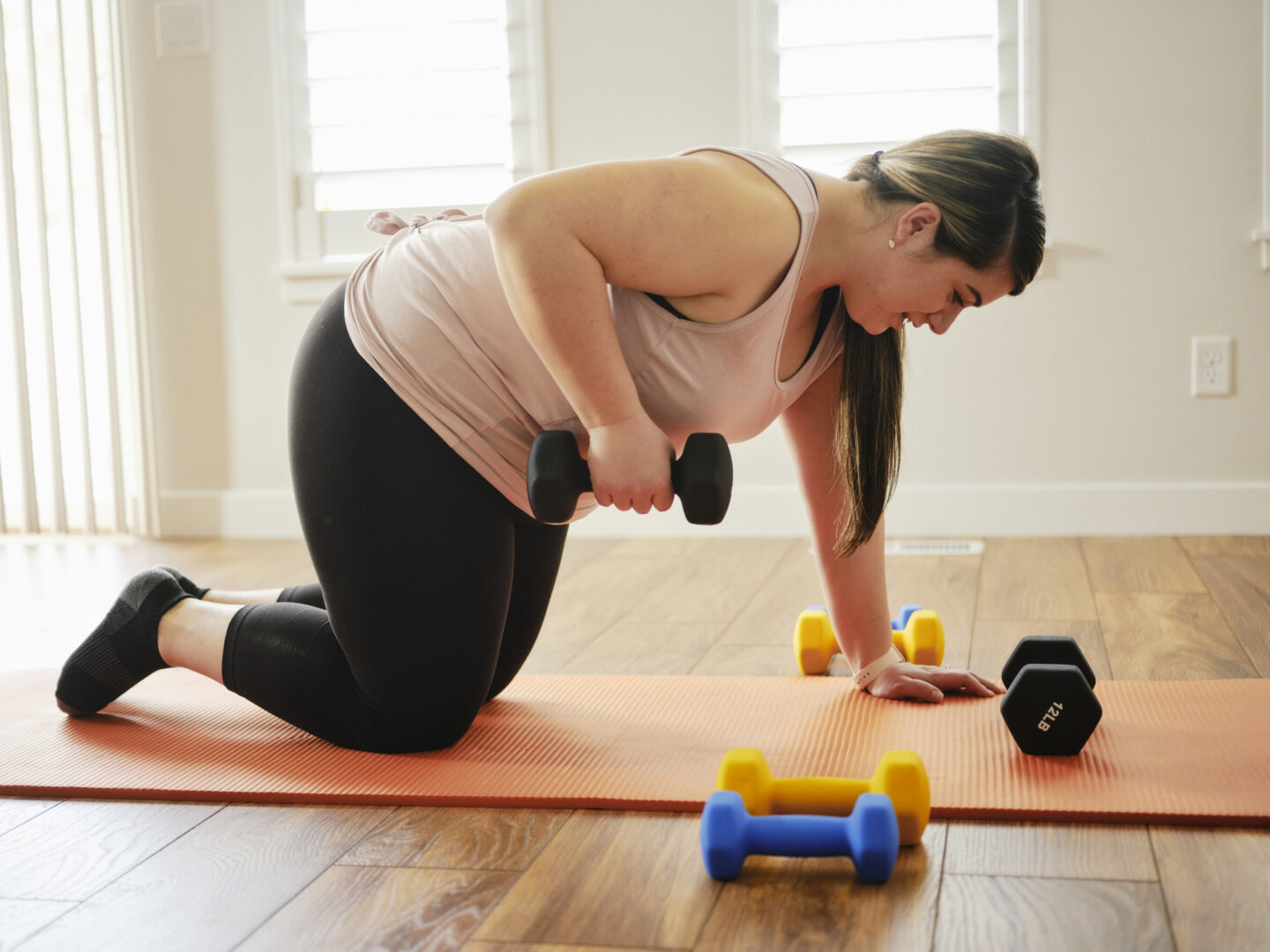
The Bump2Baby and Me mHealth Coaching Programme helped the women to become more aware of their health behaviours. Some women reported enacting physical activity and dietary goals and implementing healthy lifestyle habits related to mental health and sleep. Some women focused on weight management and used the scales provided, which were intended for use as a data collection tool.

Women also sought information from their health coach relating to their own health or that of their infant. The health coaches reported supporting participants with mental health, as well as other lifestyle behaviours.


How did the health coaches view the intervention?

During the trial, researchers interviewed the health coaches to gain feedback on their experiences. Participant engagement was a barrier for some health coaches, where they could not contact the participant. Some coaches reported feeling demotivated by this communication difficulty. Asynchronous messaging on the app provided flexibility for communicating with the women, but live calls promoted engagement.


Are the trial results transferable or generalisable?

The trial population was predominantly Caucasian (73.1%) and the mean age was 35.2 years with 52.6% aged 35-39 years. Most participants had tertiary education (88.9%).  Mean BMI was 27.7 kg/m² (SD 6.6); 28.7% of women were living with obesity (BMI ≥30 kg/m²), and 28.5% were in the overweight category (BMI 25-29.9 kg/m²).

The table below compares the baseline data per site against the baseline data in the Bump2Baby and Me randomised control trial. Baseline characteristics were well-balanced between groups.

Age (Years)Main
Ethnicity
(
%)
Tertiary Education (%)Women Living with Obesity (%)Women Living with Overweight (%)
Spain32.5989.9 Spanish57.0115.330.6
Average Granada Participant36.792.925.129.4
Ireland33.382.8 White Irish66.462030
Average Dublin Participant35.575 26.328.2
UK (Eng &Wales)30.981.760.7220.431.4
Average Bristol participant34.279 30.730.2
Australia31.162.9530.929.6
Average Melbourne Participant33.839.4 33.725.7
Average B2B Participant35.273.188.928.728.5

Table of baseline trial data vs each country average

The study population was reflective of the local populations at risk of gestational diabetes at each site. We found that BMI and age were higher in the randomised control trial than in the general population, which was expected as we were screening and using these as screening inclusion criteria for participants.


Smartphone Access

The Bump2Baby and Me mHealth Coaching Programme requires users to have access to a smartphone. The table below provides mobile penetration in the four trial site countries.

Internet penetration %Smartphone ownership %Accessing internet by mobile phone %
Spain9697.698.9
Ireland999898.6
UK 97.897.596.7
Australia94.99796.4

Source: Datareportal, 2024

The intervention was developed so that it could be used by mothers with low healthy literacy and digital skills, and the language can be adapted as required. The health coaching can offer single mothers, or those without a network of family/friends, additional support.

Policy recommendations

  1. Our findings suggest that an mHealth coaching intervention may be an effective way to reduce women’s gestational diabetes risk and improve breastfeeding. It also offered subtle but meaningful benefits for long-term metabolic health. Policy and healthcare decision makers should consider investigating the adoption of a gestational diabetes mHealth coaching intervention into routine maternity care.
  2. The results provided compelling evidence that women at high risk of gestational diabetes represent a diverse population with distinct demographic, clinical and behavioural characteristics shaped by ecosocial drivers, and their cultural and healthcare contexts. Policy and healthcare decision makers should consider tailoring gestational diabetes interventions to meet the needs of diverse at-risk populations.
  3. Researchers found that regular self-weighing may be a powerful tool all by itself. Women who weighed themselves regularly during both pregnancy and postpartum had significantly better weight outcomes at one year postpartum, regardless of which group they were in. Policy and healthcare decision makers should consider offering self-weighing to all women at risk of gestational diabetes.
  4. The results revealed that women engaged with the intervention differently, and qualitative interviews with healthcare professionals showed significant variations in screening, first-line medications and birthing strategies. Policy and healthcare decision makers should consider funding research to a) further understand how pregnant women engage with mHealth interventions, and b) achieve consensus about best practice in the prevention and treatment of gestational diabetes.

Read our full policy briefing Addressing Gestational Diabetes Risk. INSERT LINK

A postcode lottery

At the start of the project, researchers undertook qualitative interviews with key healthcare professionals and then undertook an online survey to investigate the gestational diabetes screening, diagnosis and care practices in England and Wales and Ireland. The survey data, from 83 healthcare professionals from 47 maternity units (35 from the UK and 12 from Ireland), showed there is:

  • currently limited opportunity to act on excessive gestational weight gain because weight is rarely measured beyond the first antenatal appointment until late pregnancy (36 weeks gestation). Few maternity units reported measuring at every appointment or within each trimester. Few units reported a care pathway to address excess gestational weight gain because weight gain is not assessed;
  • a more established care pathway for women with high BMI at booking, though support for women to mitigate risks of obesity varies both between countries and between maternity hospitals within countries. Support includes additional scanning, anaesthetic consultation, dietitian advice, information, education/ lifestyle support, aspirin prophylaxis and attendance at specialist clinics;
  • differences in the gestational diabetes risk factors used to select women for screening, with variation not just between countries but also within them, despite national guidelines within each country stating who should be screened. This is likely to be due to a variety of factors including provider beliefs, preferences or experiences, local population characteristics or new/ emerging evidence about risk factors;
  • variation in practice between countries around first line medication, which may result from conflicting evidence about use of Metformin and its foetal impacts – there is a need for more research in this area to establish the safety and effectiveness of medications;
  • considerable variation in when birth is induced or caesarean is offered to women according to country, site and according to medication used. Earlier birth is common among women using insulin but the developmental impacts for infants from earlier birth need to be balanced against the benefits of earlier delivery.

All these variations suggest potential for variation in perinatal outcomes according to maternity hospital attended and country. They highlight a need for more research to achieve consensus about best practice, taking contextual factors (i.e. population, health service delivery and health economic) into account.

Paper

Davies, A., Howell, A., O’Reilly, S. et al. Variation in gestational diabetes diagnosis and care practices in maternity services in three high-income countries; a cross-sectional survey. BMC Pregnancy Childbirth 26, 165 (2026).